A Film By Kashyap Kulkarni
A Documentary
In Hiroshima, an aging hibakusha and a young peace guide unite in the fight to abolish nuclear weapons. One carrying the memory of the city's past, the other choosing to carry its hope into the future.
Hiroshima, Before the Bomb
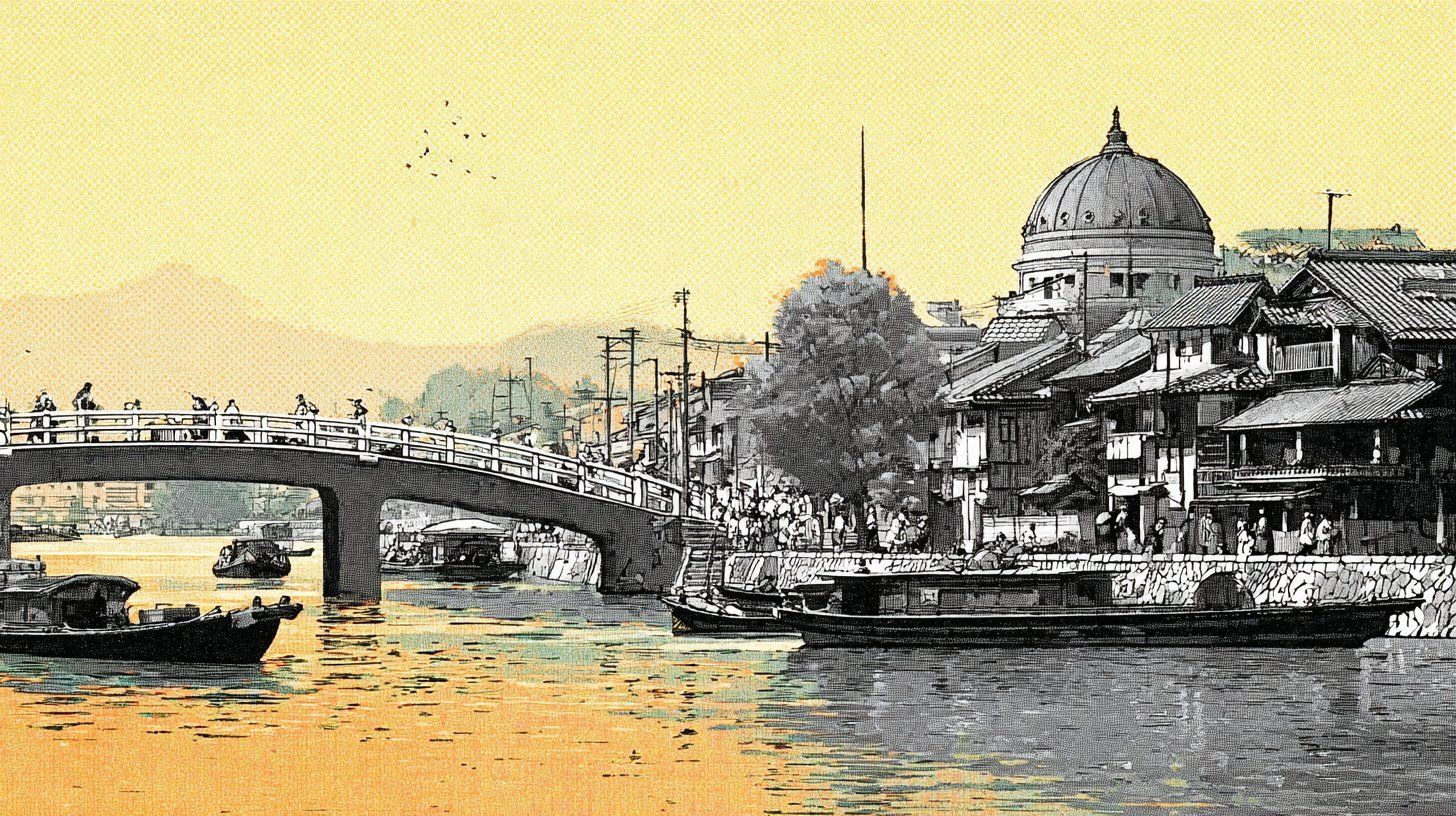
Founded in 1589 as a castle town, Hiroshima had grown into a thriving center of commerce and culture. Its rivers bustled with ships carrying cotton, bamboo, oysters, and seaweed. By 1942, the population peaked at over 420,000. By the summer of 1945, while many Japanese cities had been devastated by air raids, Hiroshima remained largely intact. On the morning of August 6, approximately 350,000 people were in the city, most of them civilians.
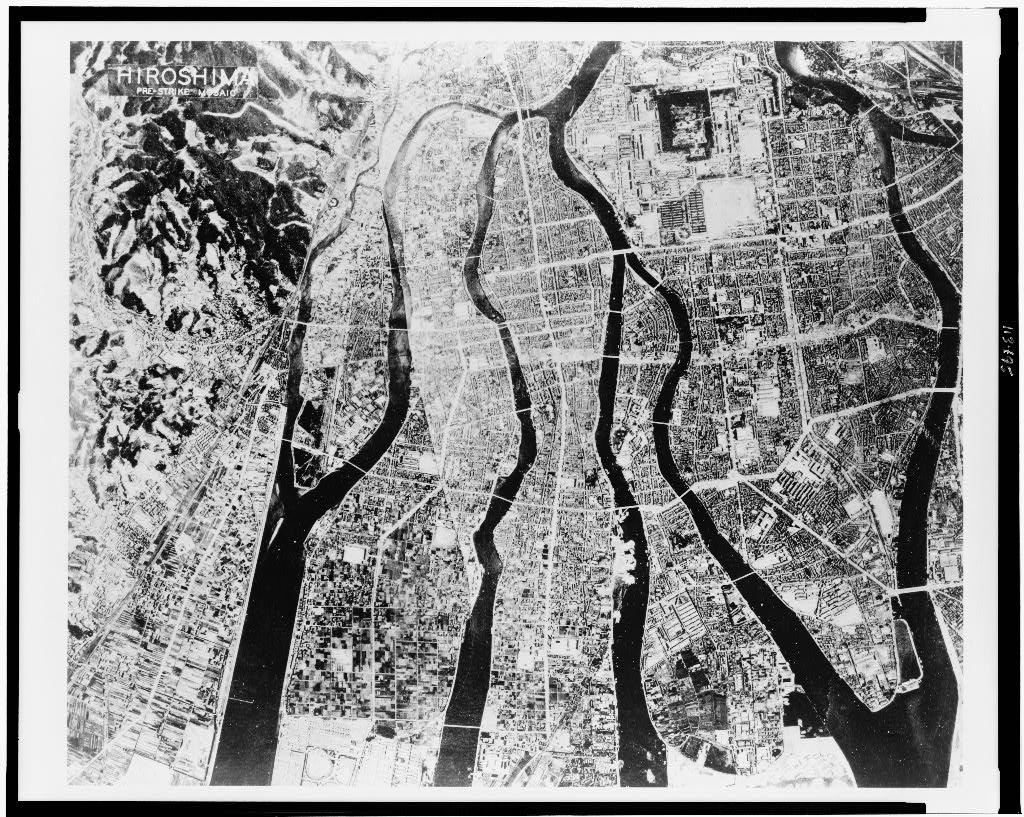

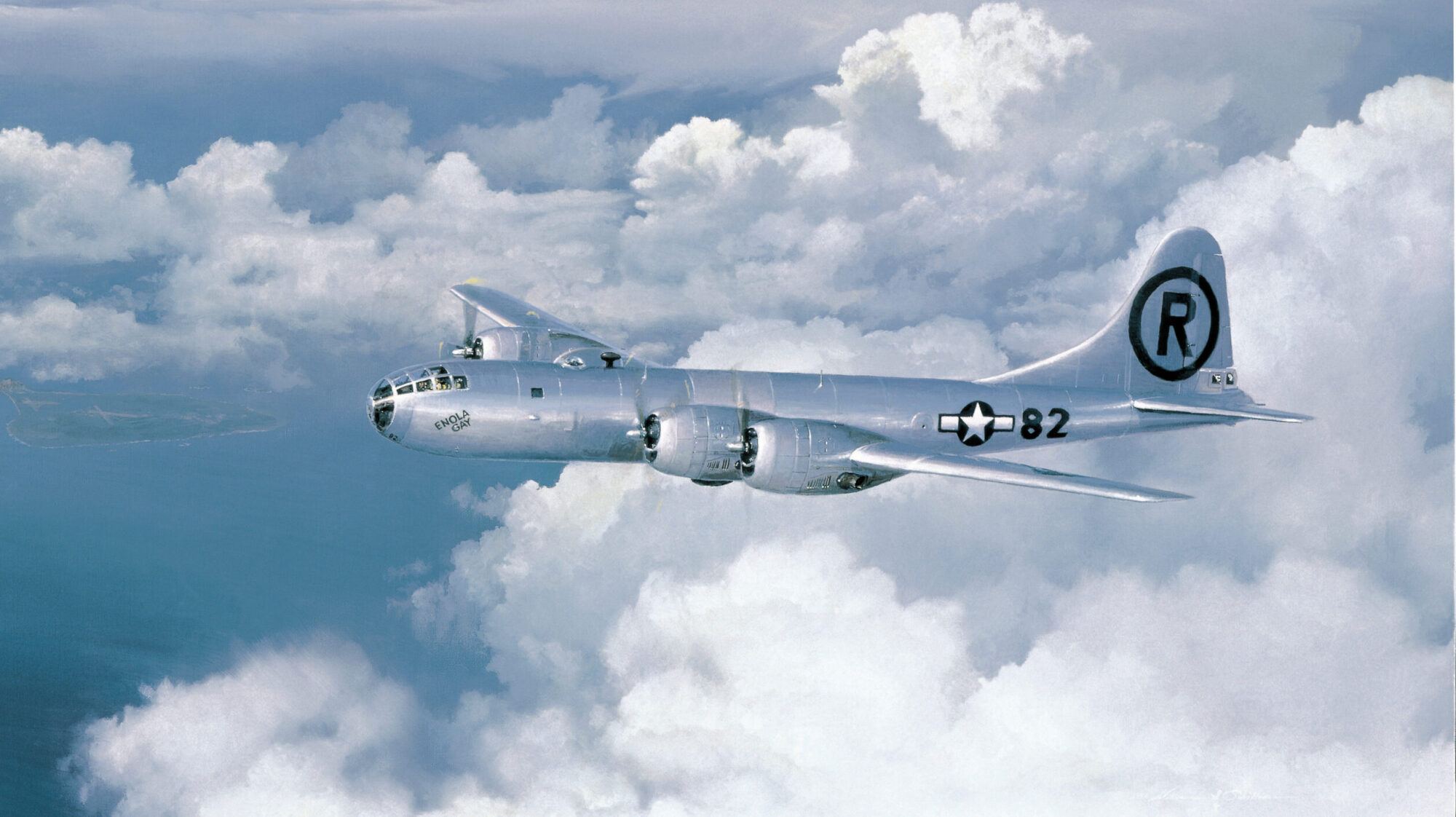
August 6, 1945. 8:15 AM. Clear morning sky.
The Boeing B-29 Superfortress Enola Gay, piloted by Colonel Paul Tibbets and carrying a crew of eleven, carried a weapon born from the Manhattan Project, a secret $2 billion program. The uranium bomb codenamed Little Boy was considered so reliable in theory that its designers never conducted a full-scale test. Much of the world's supply of enriched uranium-235 had been loaded into this single device.
Over Hiroshima, it fell for 44.4 seconds.
It detonated 580 meters above the city, almost directly over Shima Surgical Clinic.

August 6, 1945 · 08:15:17
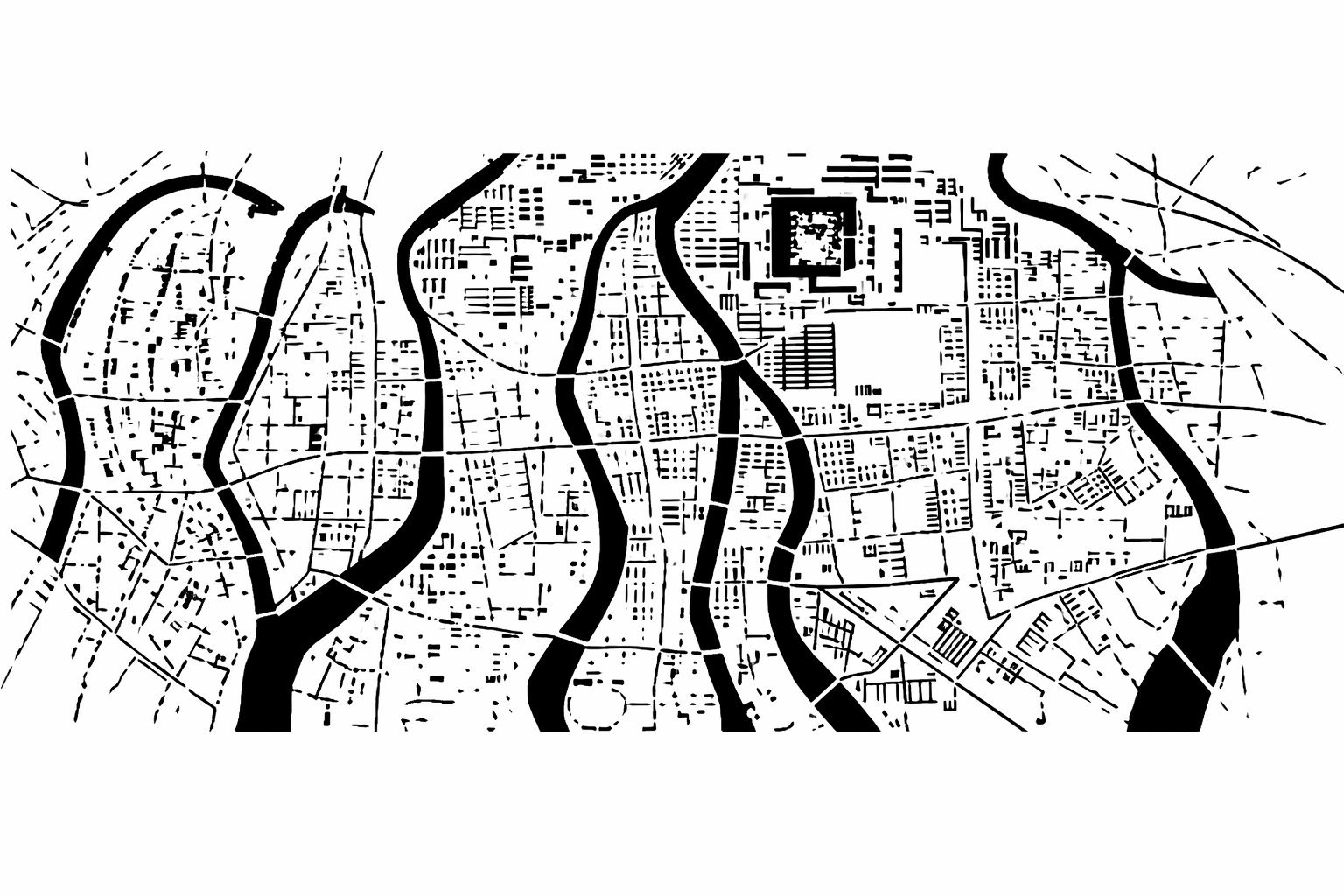
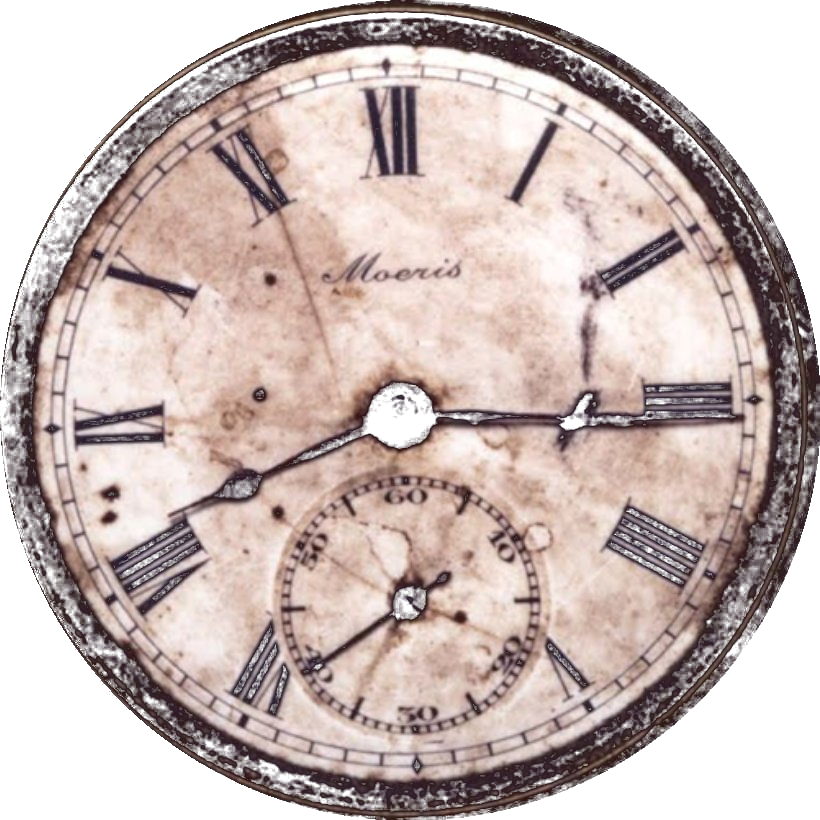
The fireball reached 7,700 degrees Celsius in 0.2 seconds. Within a 1.6 kilometer radius, everything was annihilated. People, buildings, trees, vaporized. The weapon that had never been tested on a human population killed 80,000 people in a single blinding flash. By December, 140,000 would be dead.
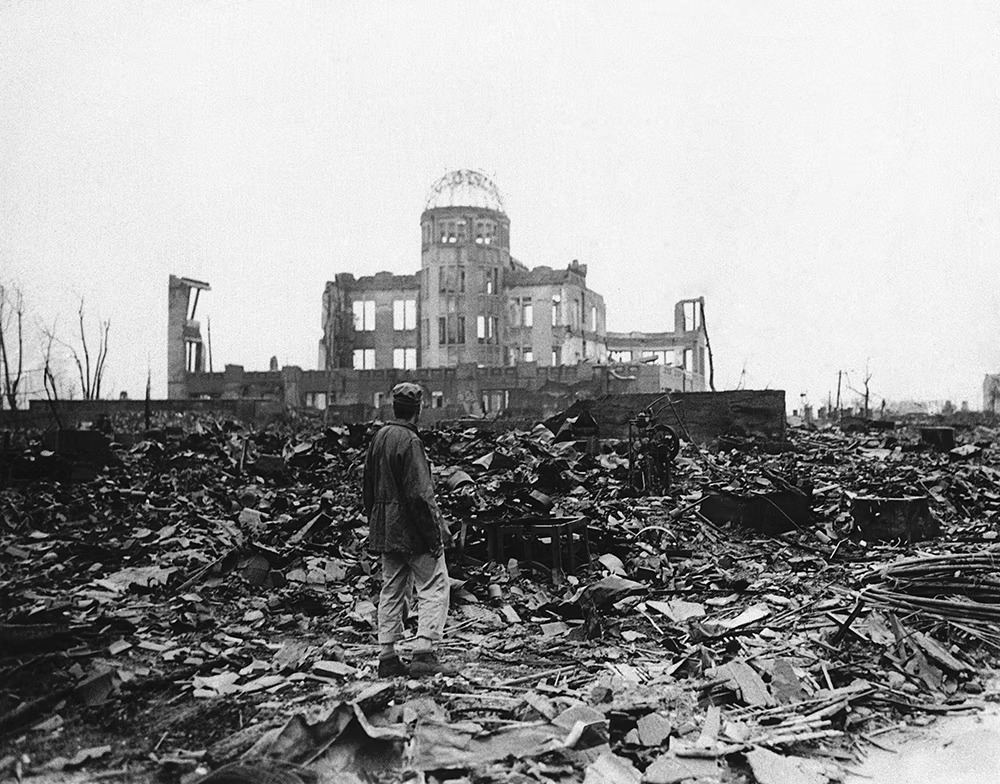
The Aftermath
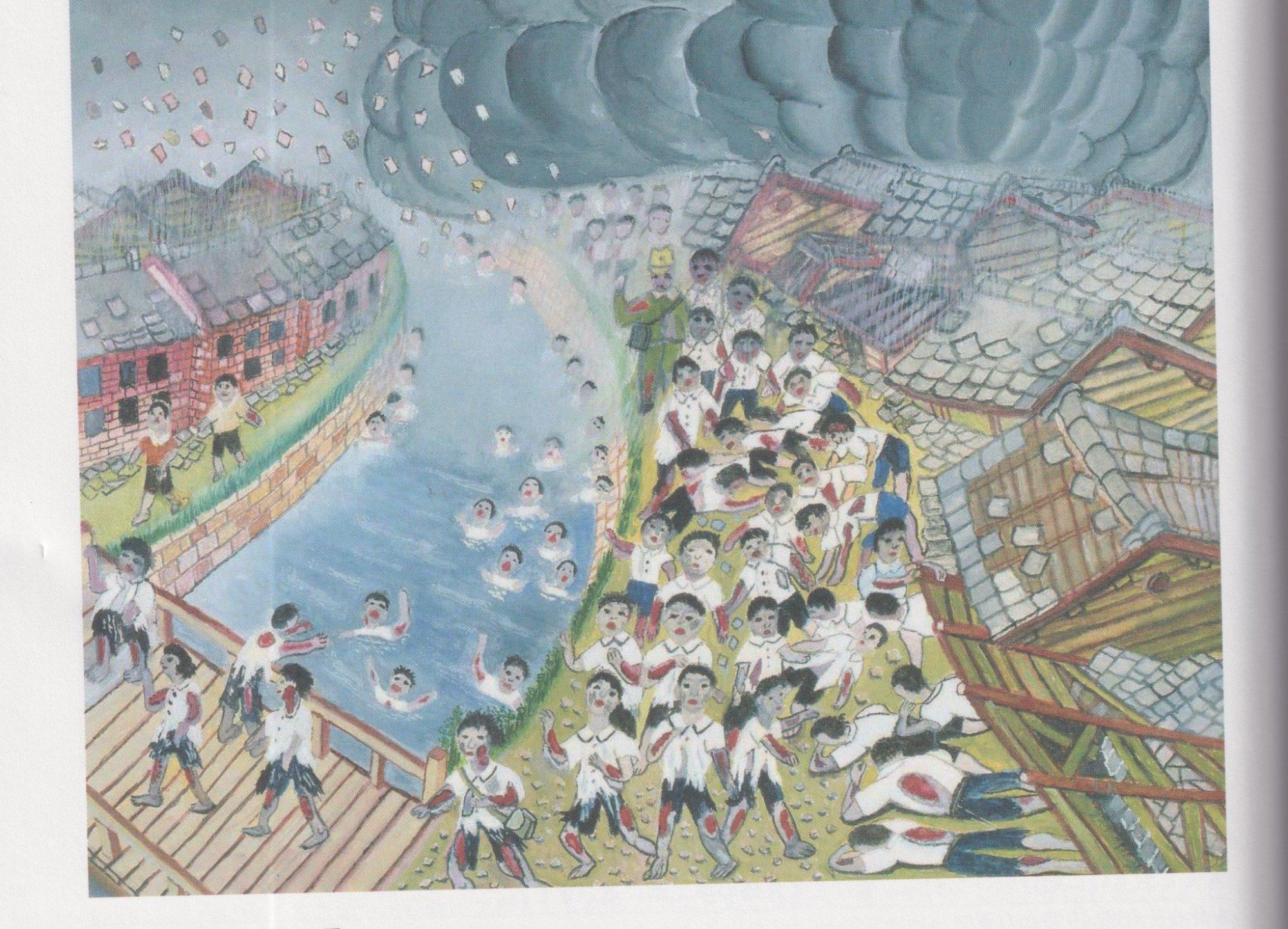
Survivor testimony. Students fleeing through destroyed streets.
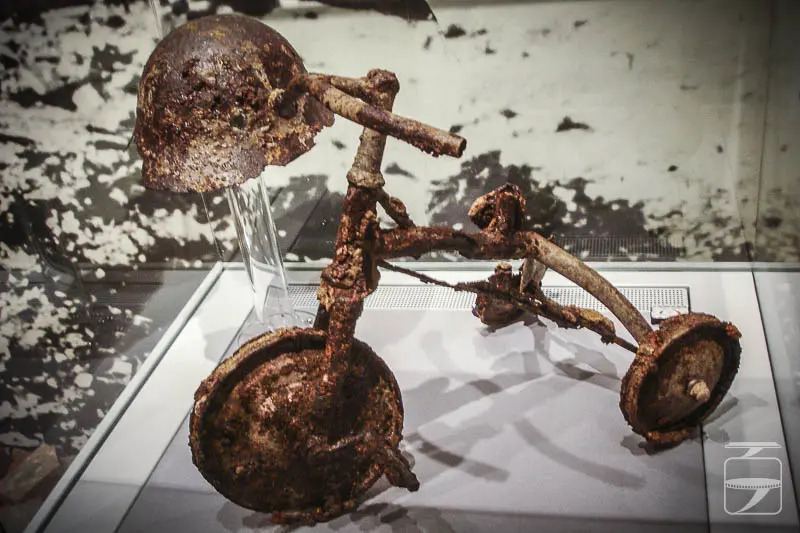
A child's tricycle. Hiroshima Peace Memorial Museum.
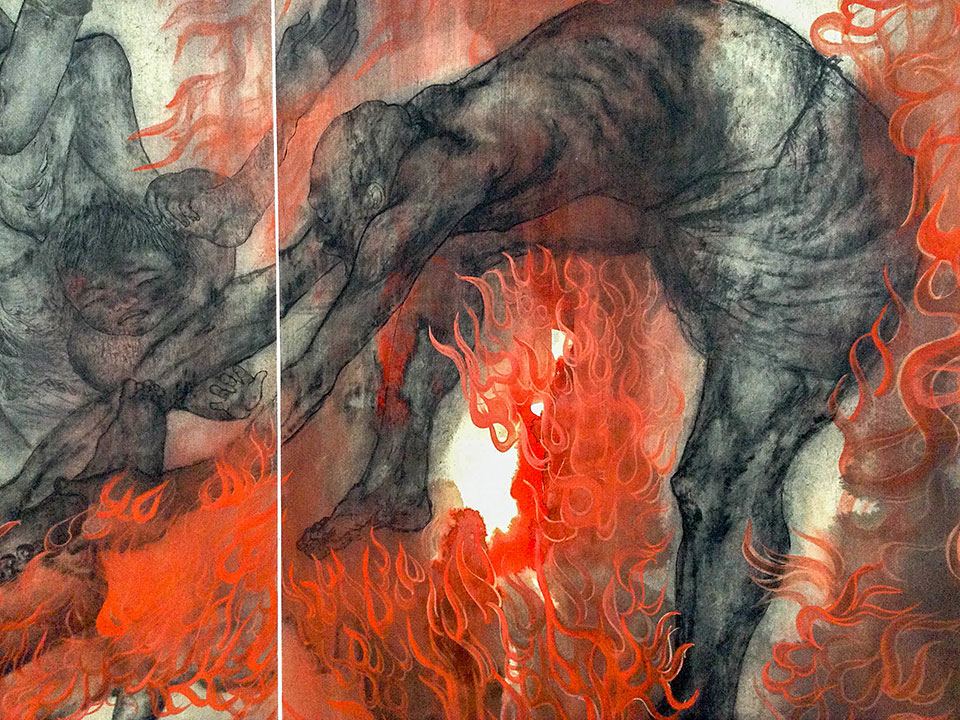
Fire. Maruki Panels.
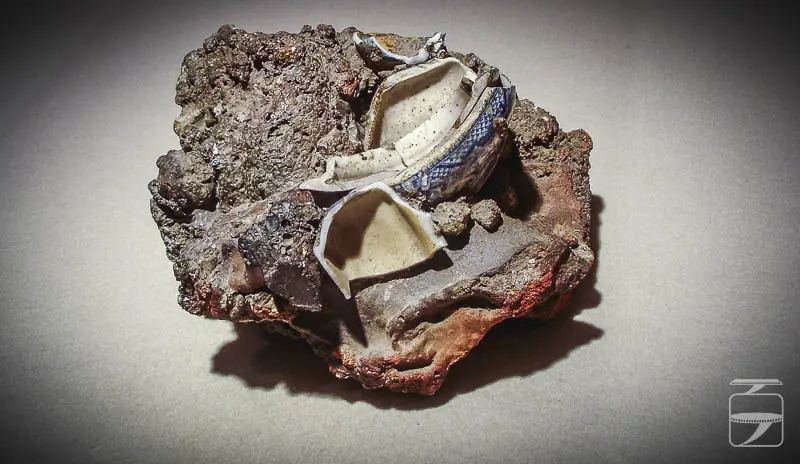
Fused ceramics and pottery. Hiroshima Peace Memorial Museum.
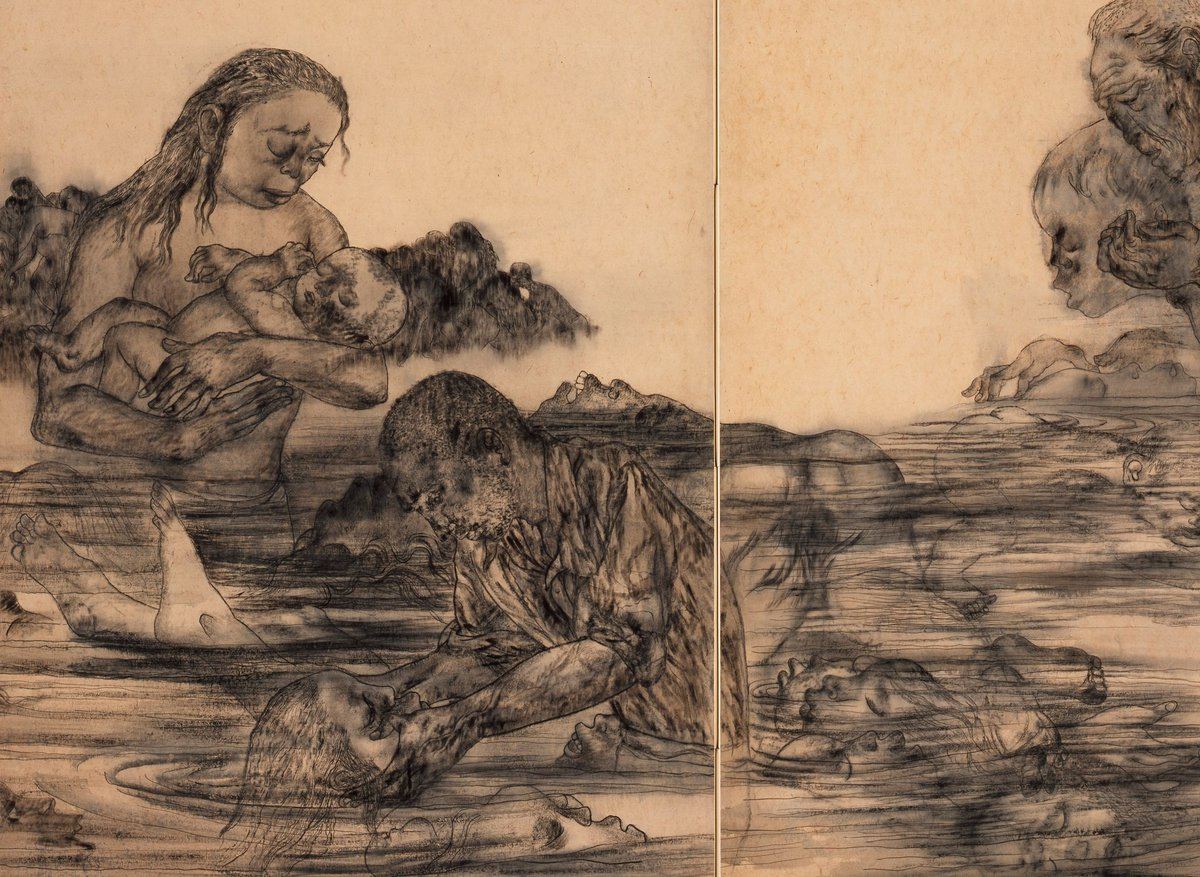
Water. Maruki Panels.
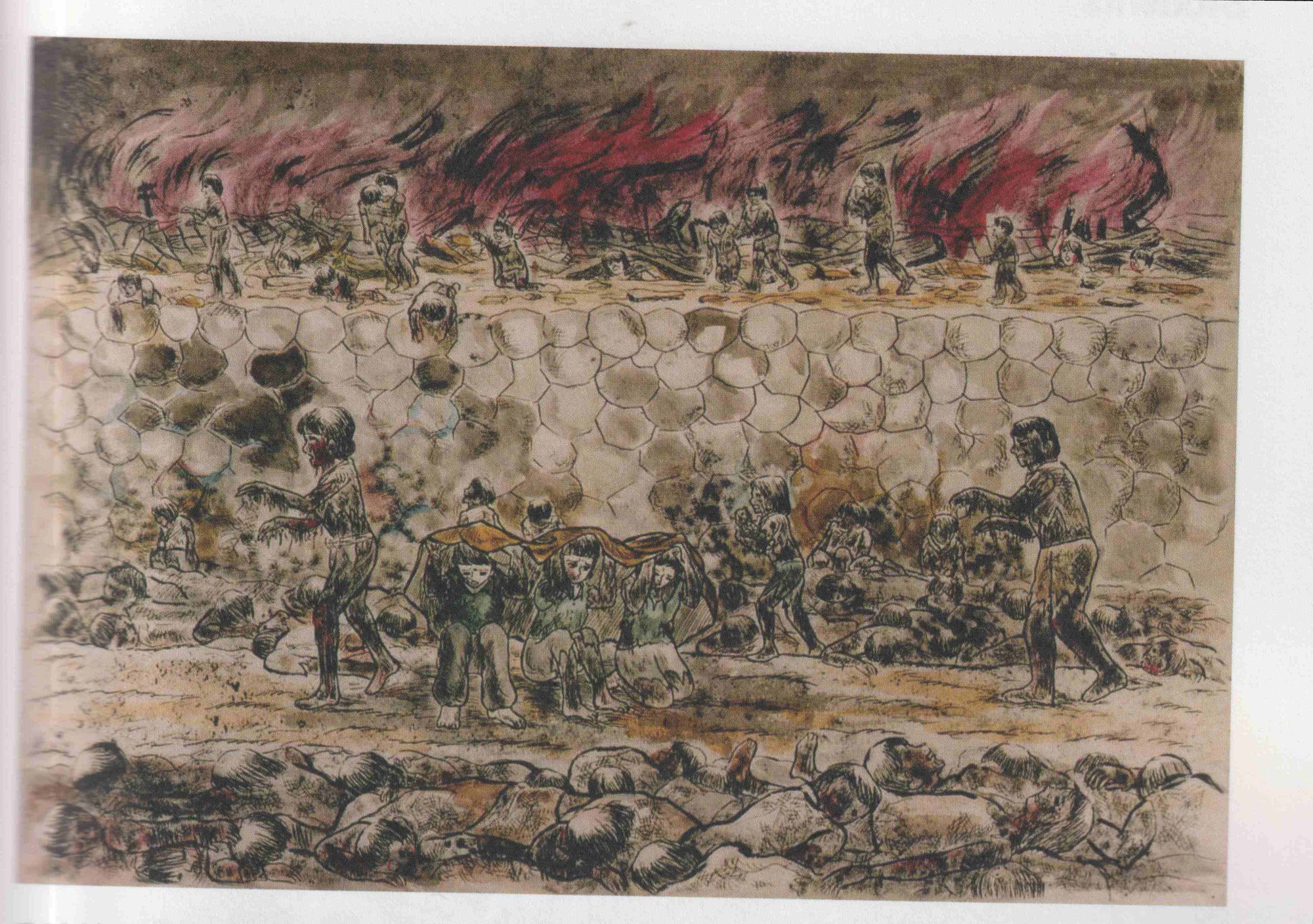
Survivor testimony. Children carrying the wounded.
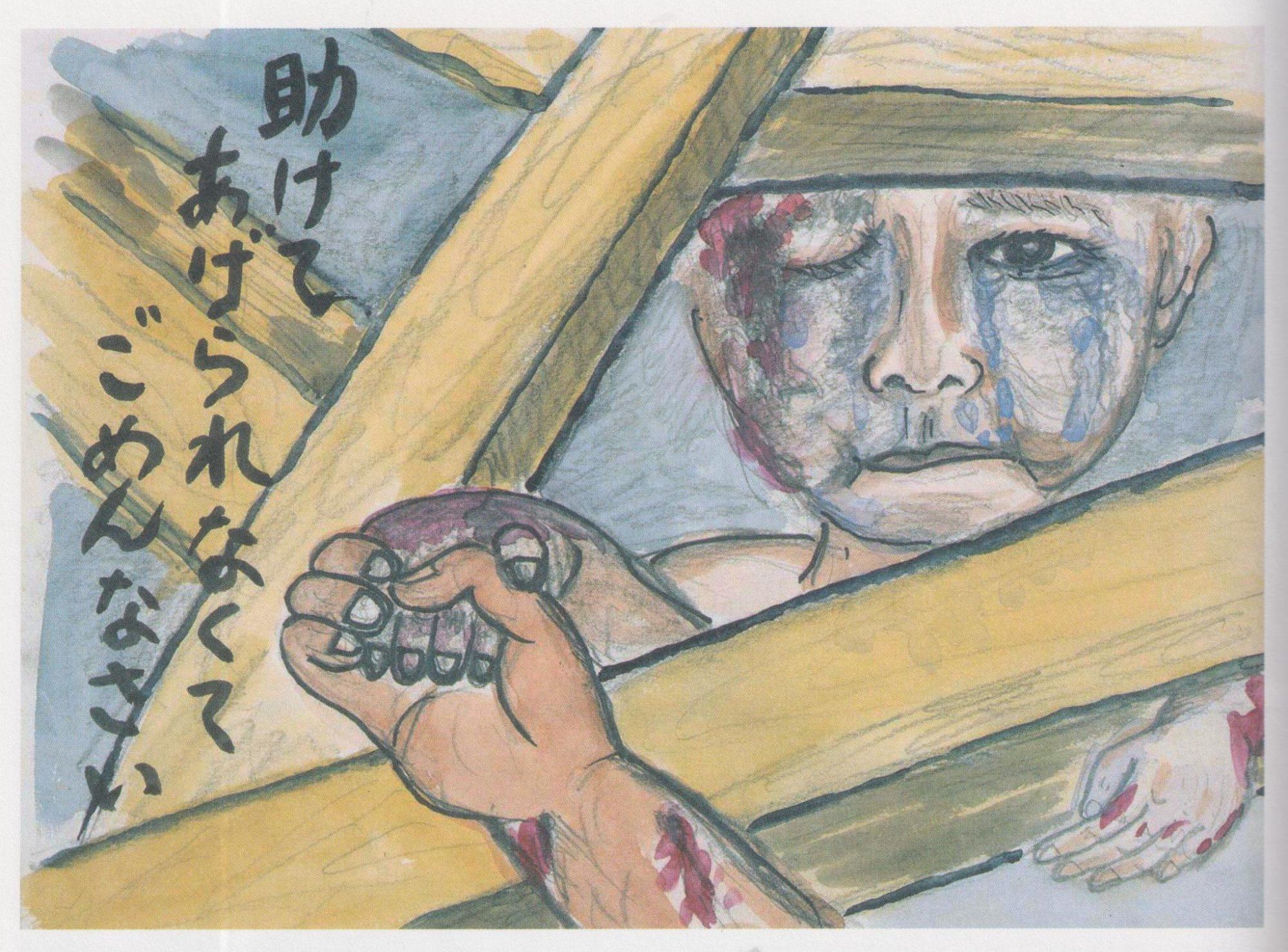
Crowd. Maruki Panels.
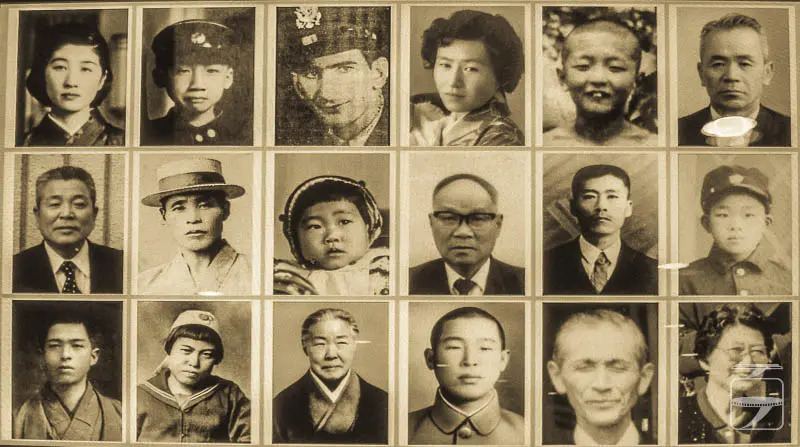
Faces of those lost. Hiroshima Peace Memorial Museum.
A Survivor's Story
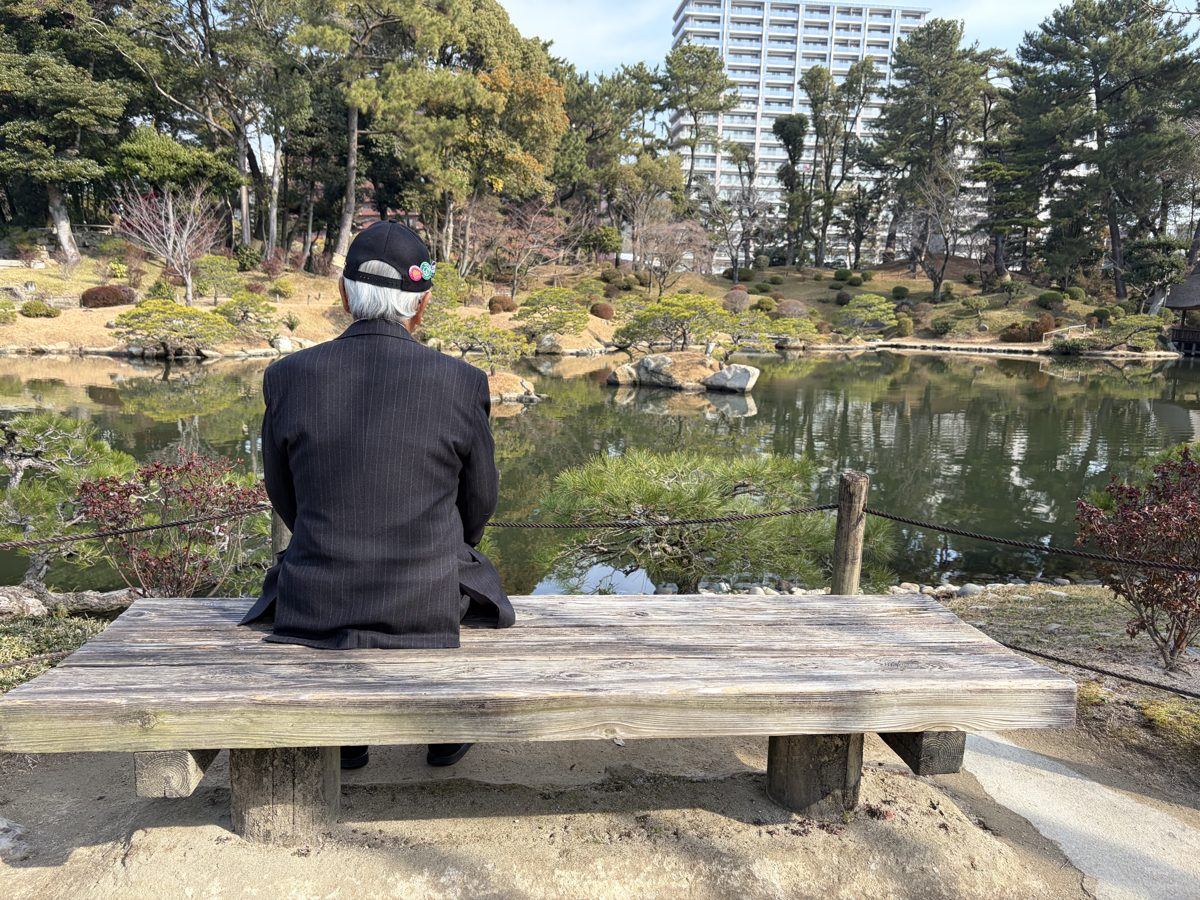
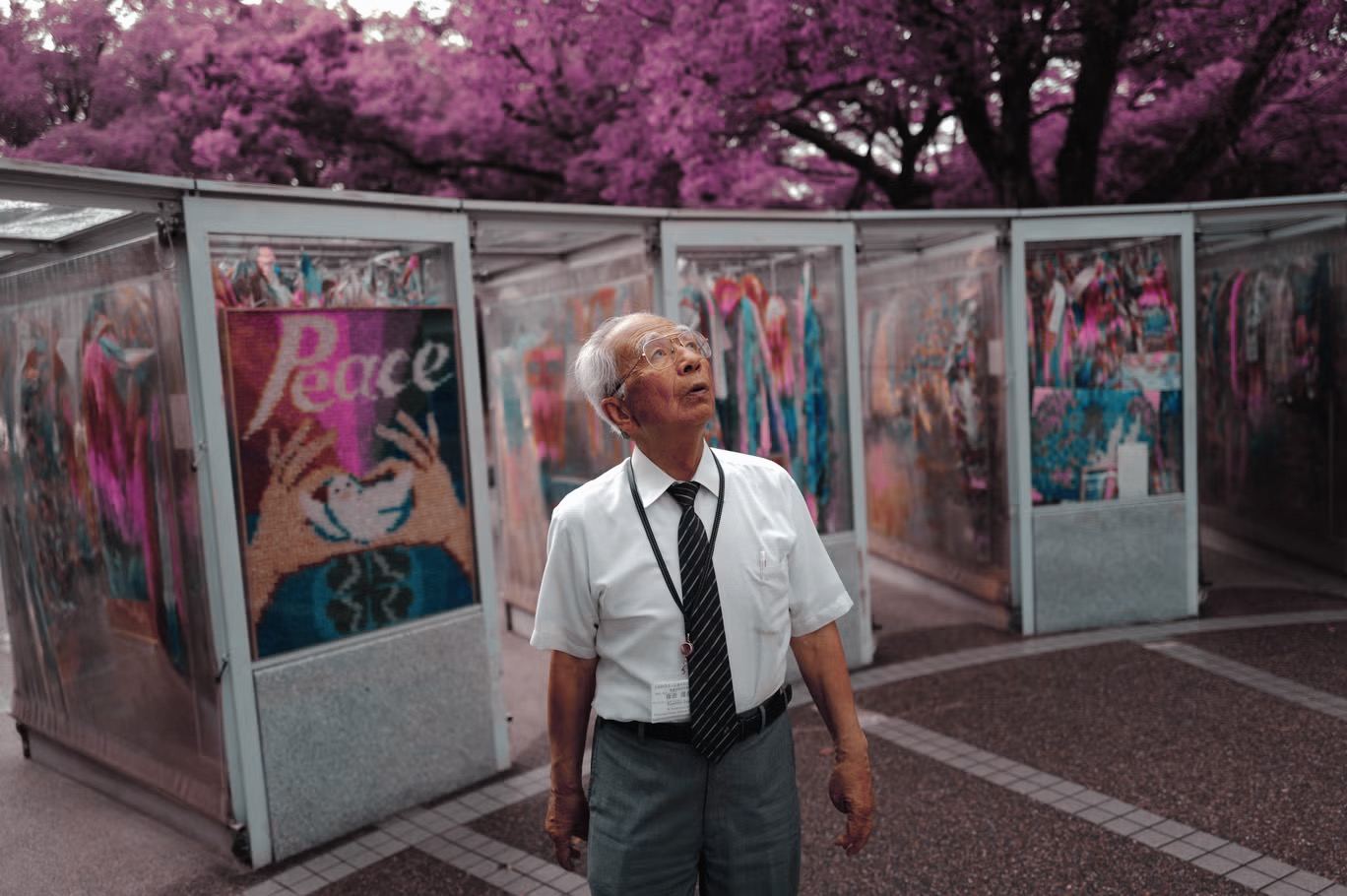
Kunihiko Iida was three years old on the morning of August 6, 1945. He was at his mother's family home, about 900 meters from the hypocenter, when the sky flashed white. The blast threw him into the air and buried him beneath the rubble. His grandfather pulled him from the wreckage. Within a month, his mother and four-year-old sister died from radiation sickness.
It took him more than six decades to speak publicly about what happened. Now in his eighties, he returns almost every day to Hiroshima Peace Memorial Park, standing before visitors and international delegates to share the memory he has carried since childhood and to call for the abolition of nuclear weapons.
Despite multiple tumors in his neck, rectal cancer, and other lasting health ailments, he still arrives in a crisp suit and a cap marked with the insignia of peace.
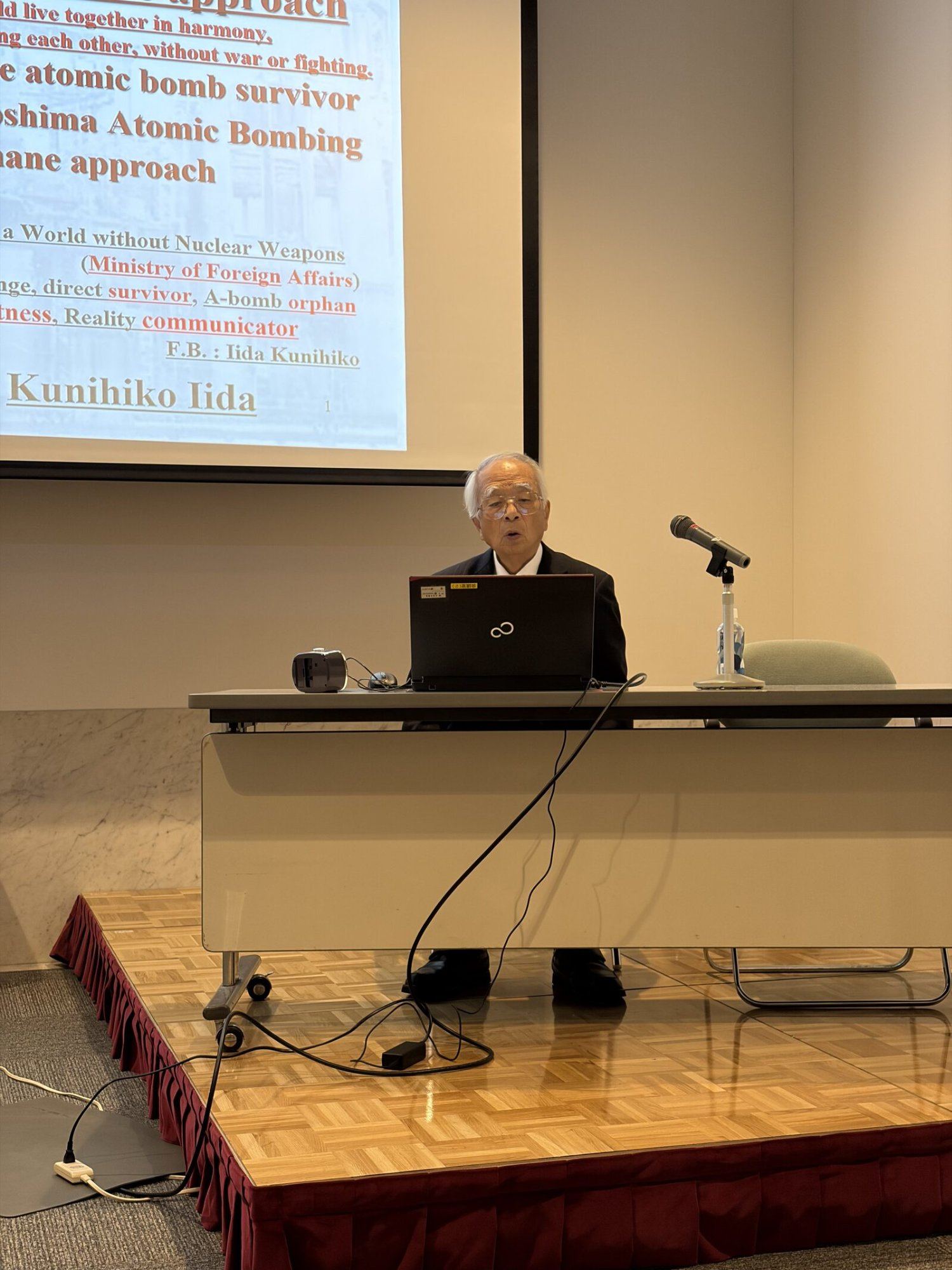
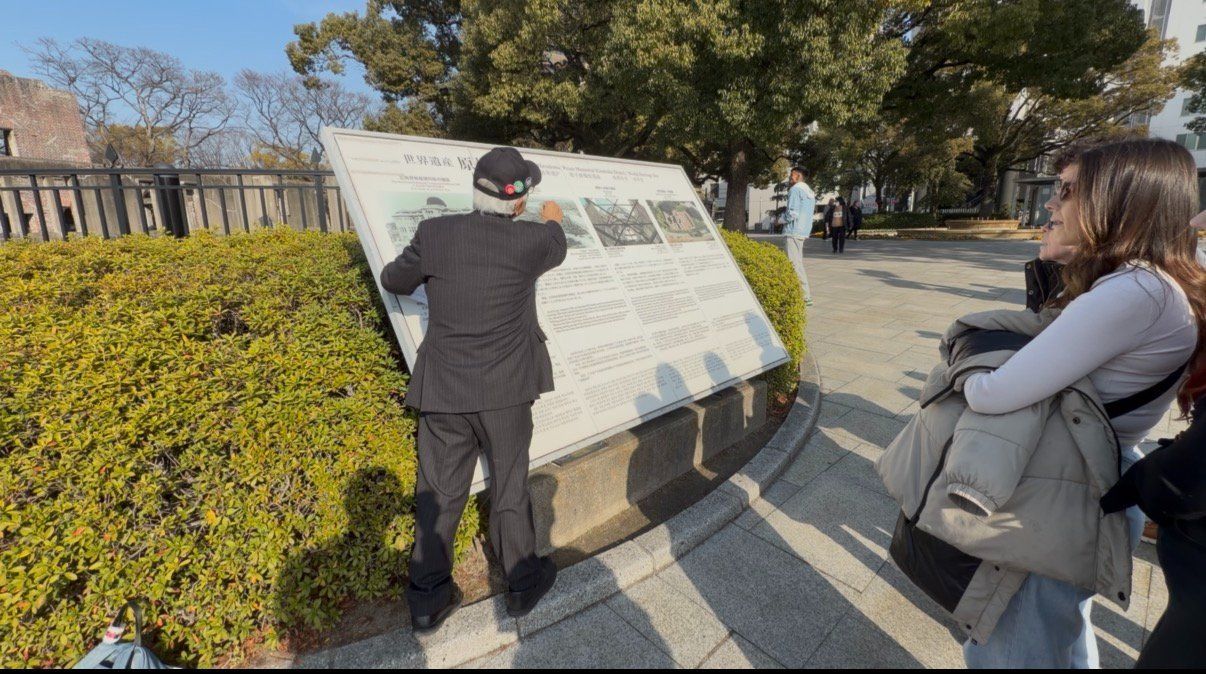
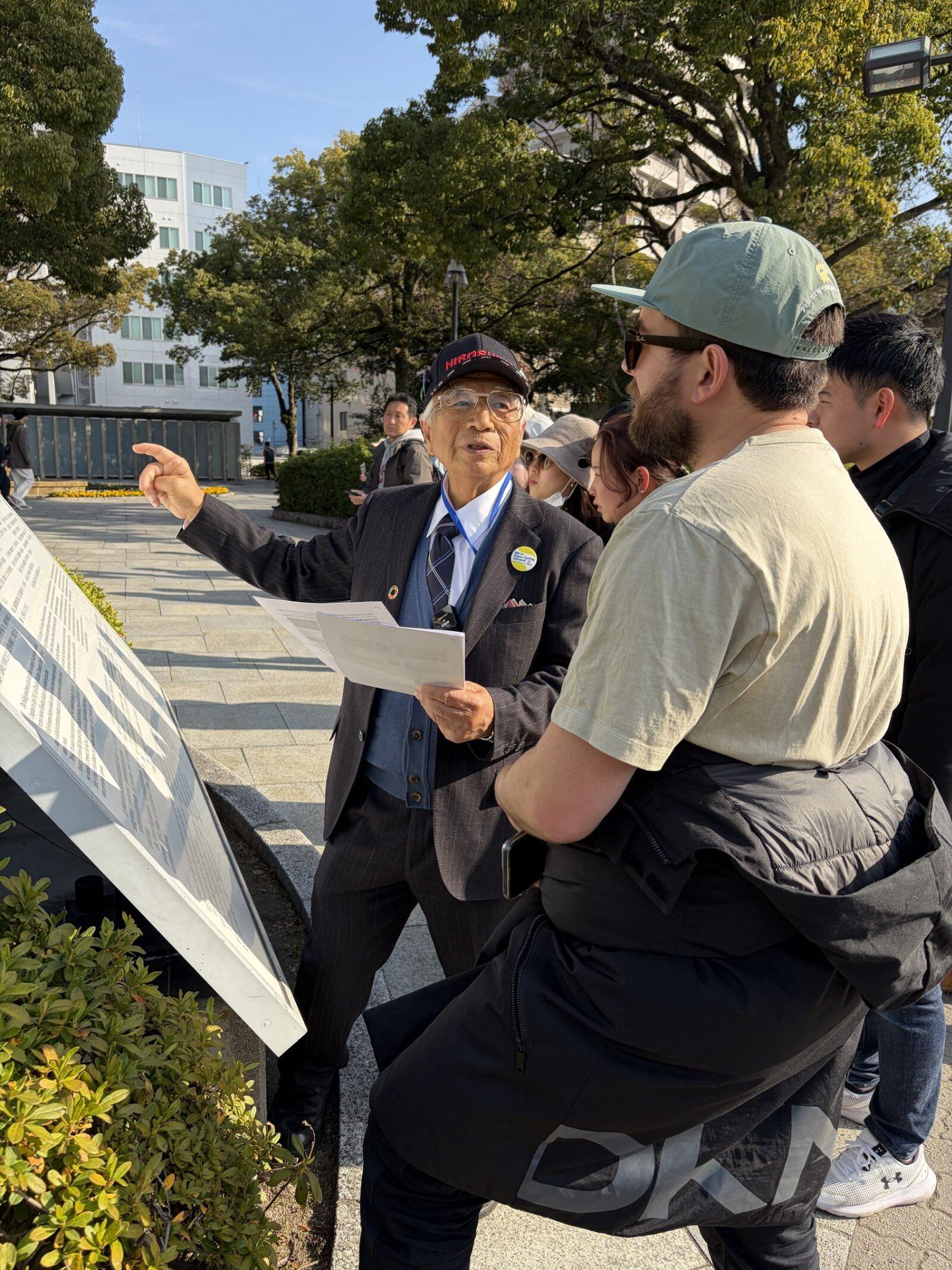
"There are eight levels of hell and the ninth level is atomic bomb. With the atomic bomb, even people who did nothing wrong are destroyed instantly."
The Next Generation
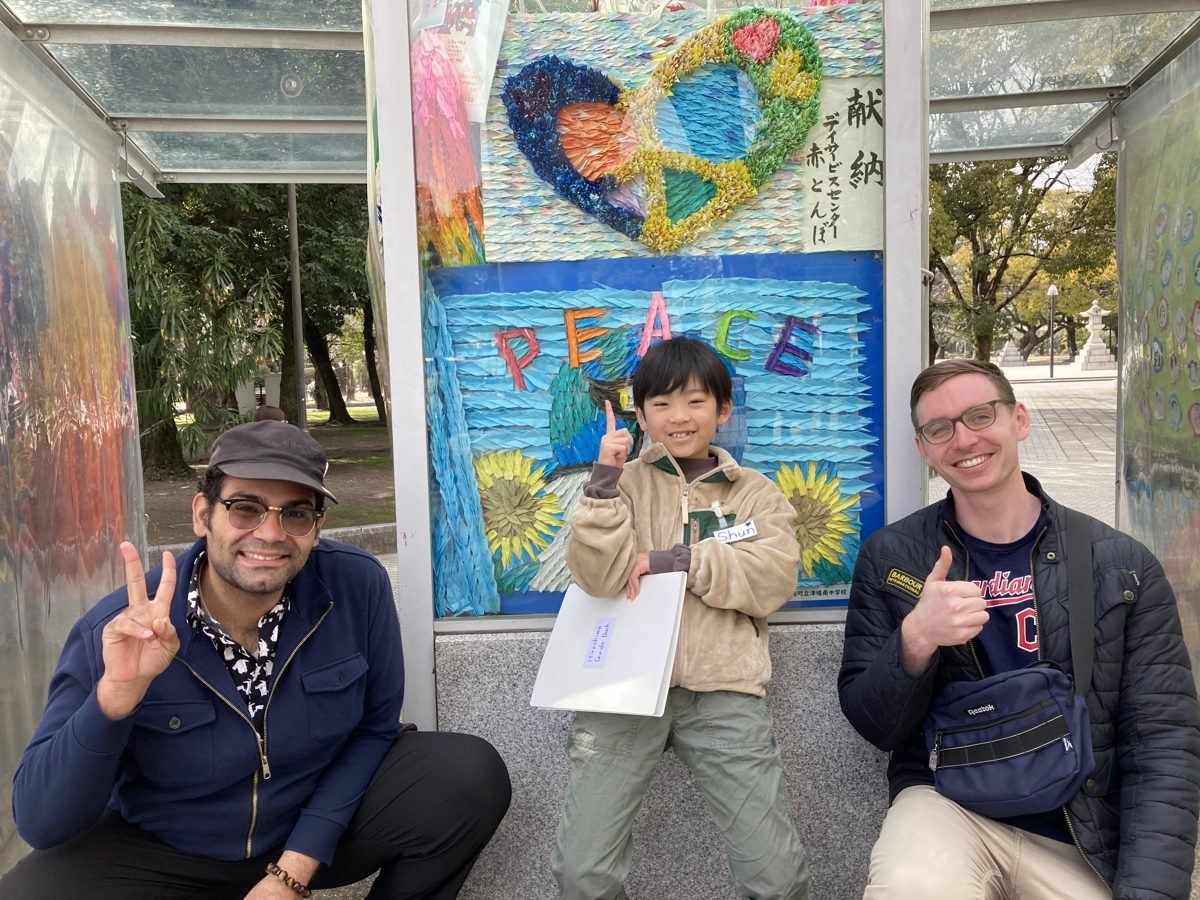
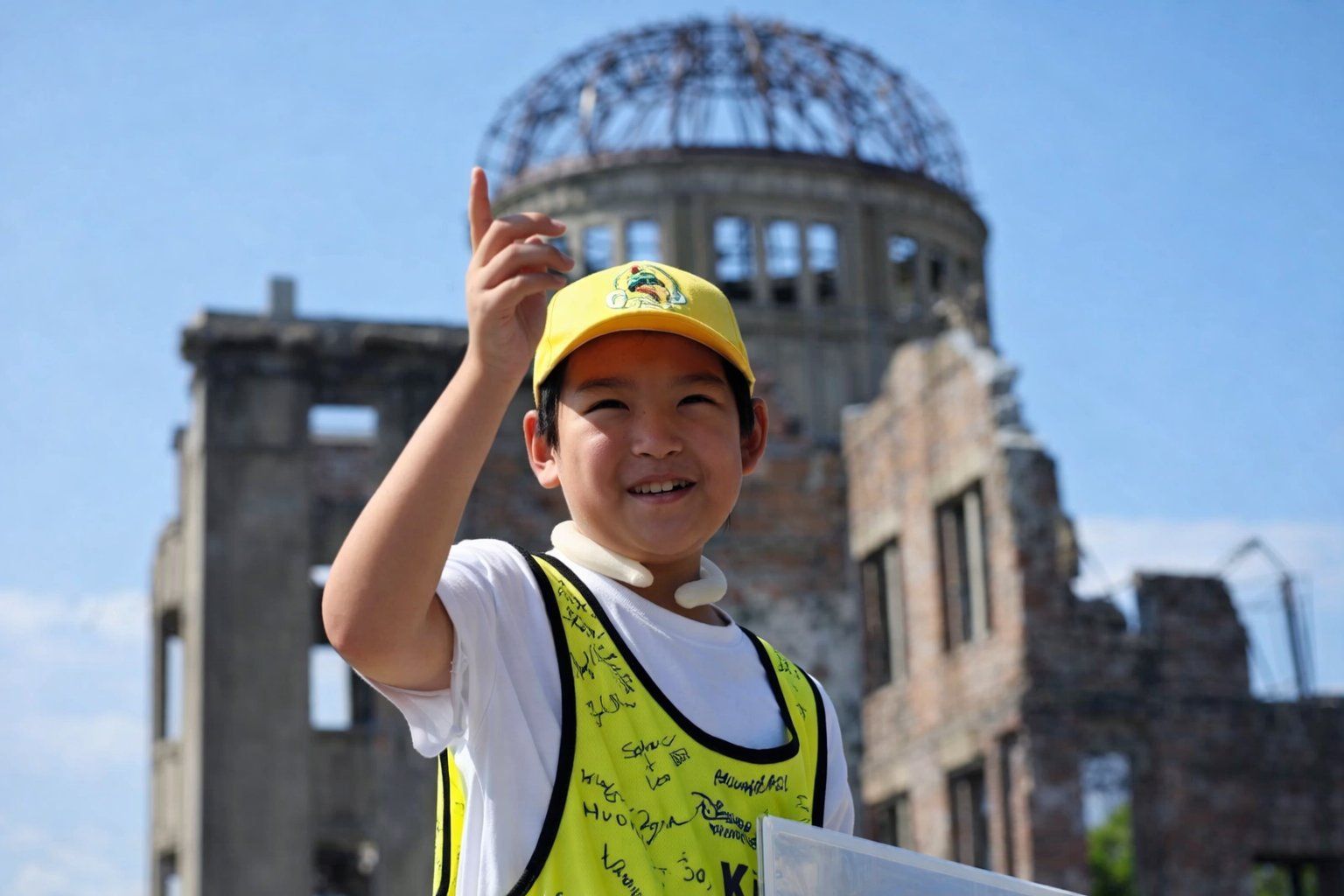
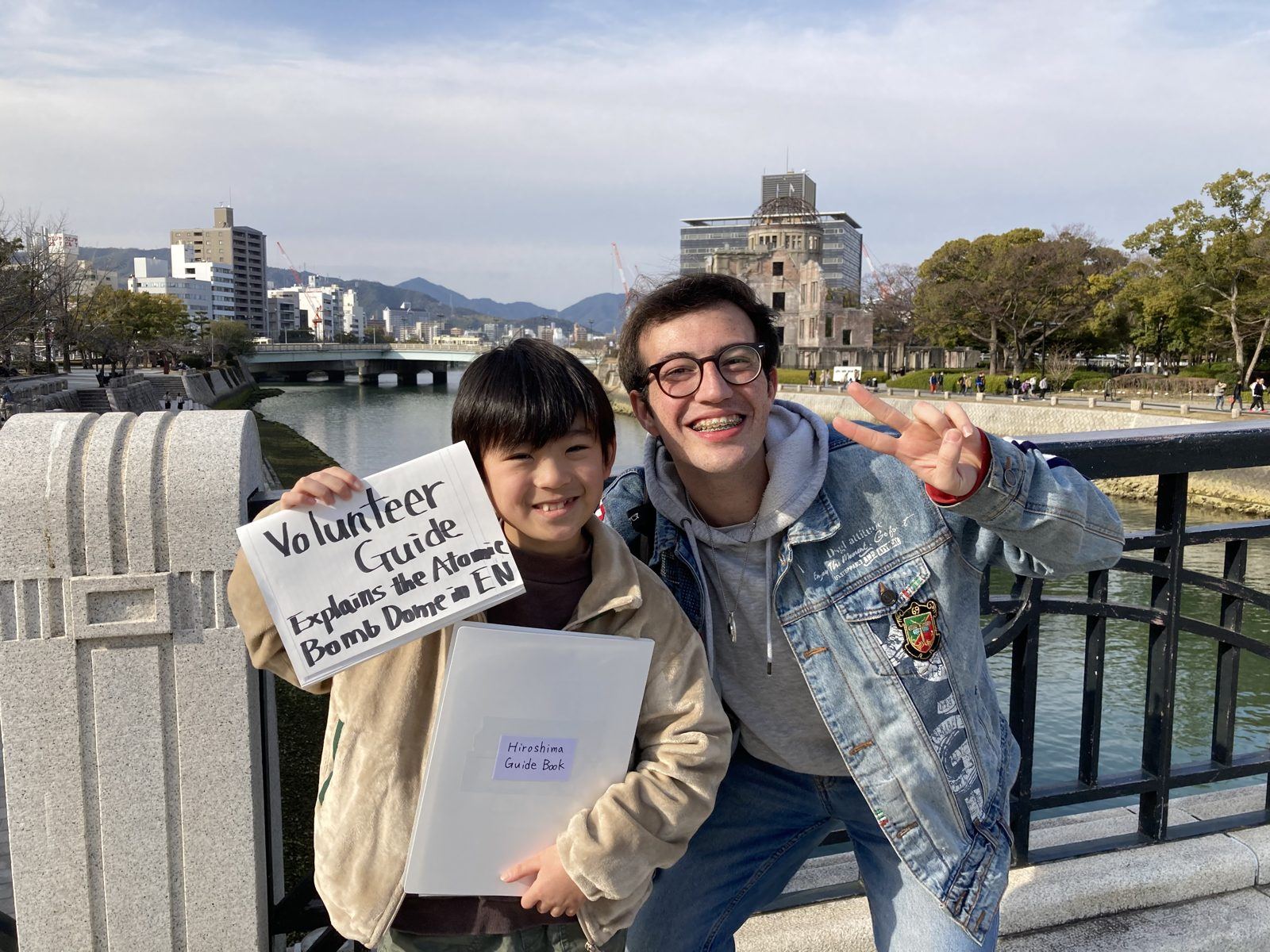
Shun Sasaki is twelve years old. He volunteers as a peace guide at Hiroshima Peace Memorial Park, standing only steps from where the atomic bomb destroyed the city in 1945. Wearing his yellow vest and carrying notes he has carefully prepared, he leads visitors from around the world through the memorial grounds, explaining what happened here with a clarity that surprises those who meet him.
His connection to Hiroshima is personal. His great-grandmother survived the bombing, but like many hibakusha families, the story was rarely spoken about at home. Shun did not inherit the memory. He went searching for it.
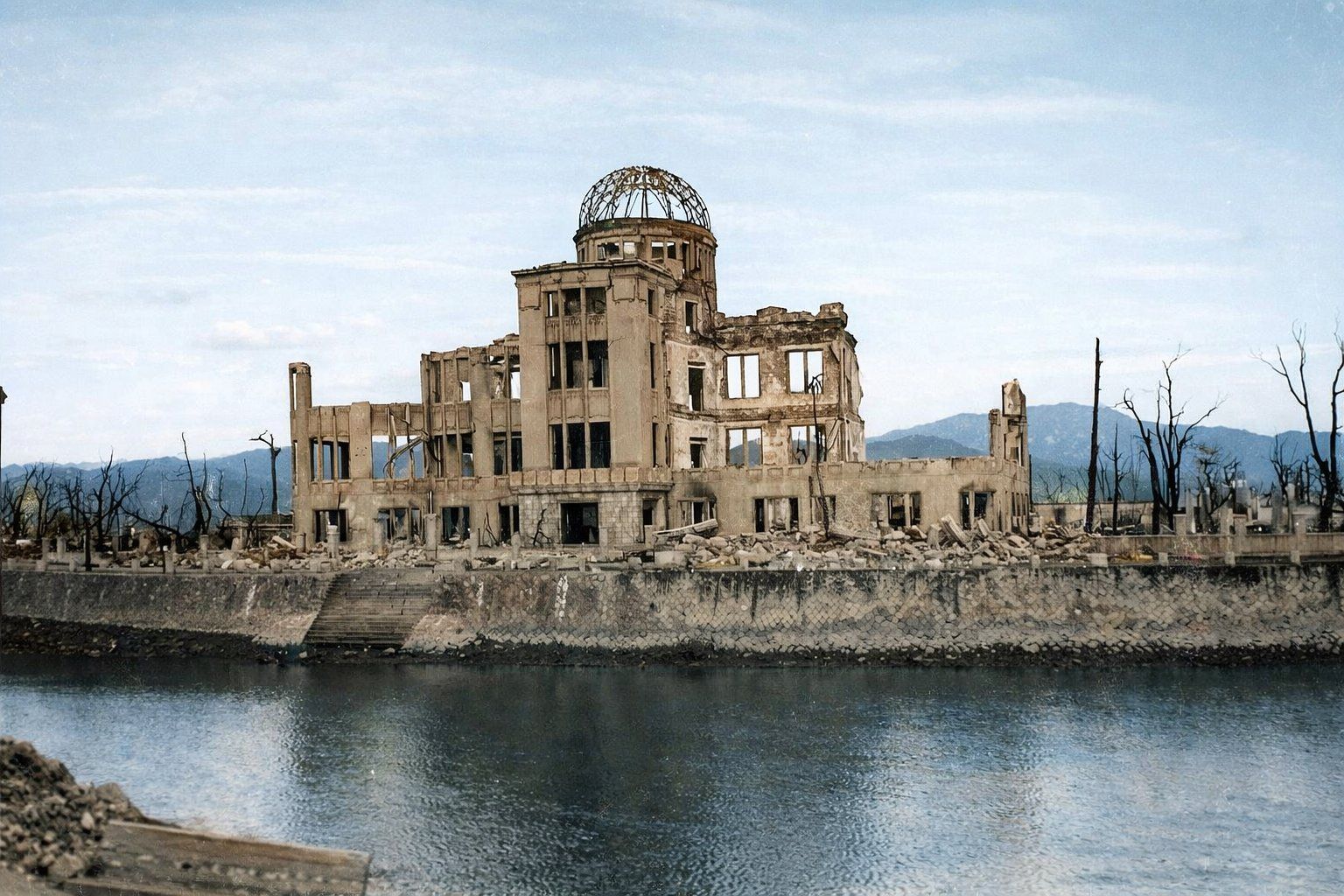
At seven years old, he asked his mother why the Atomic Bomb Dome still stands. What began as a child's question became research, then purpose. Today he folds origami cranes marked "Peace" and gives them to visitors he meets, believing that if people understand what happened here, it will never happen again.
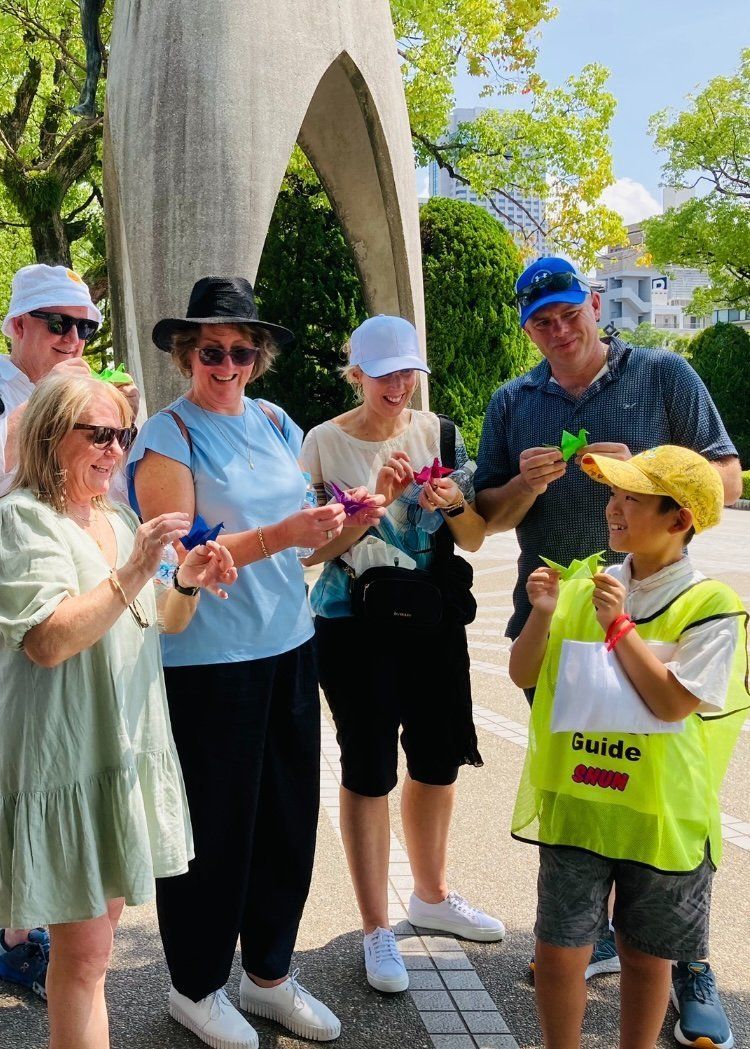
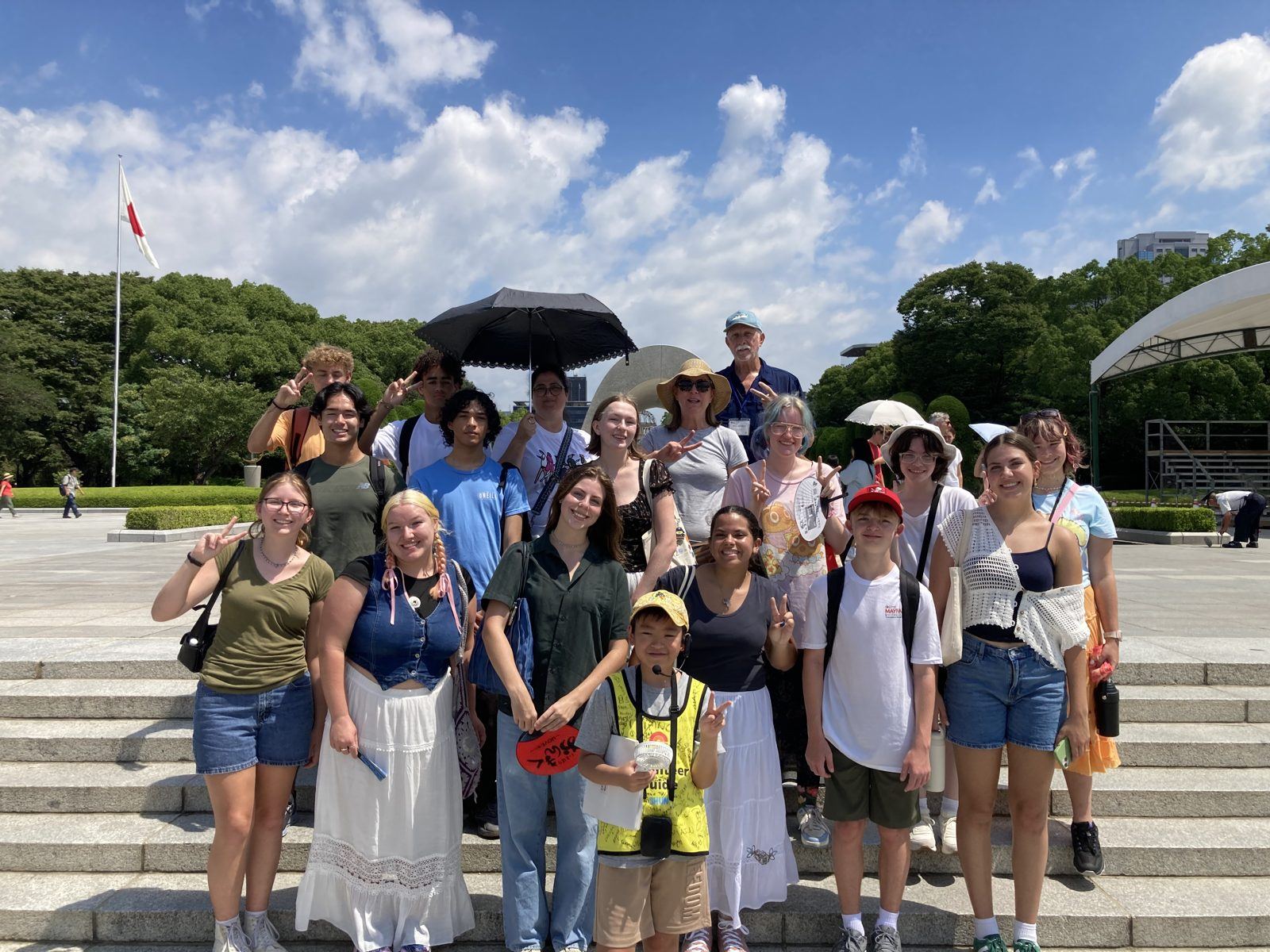
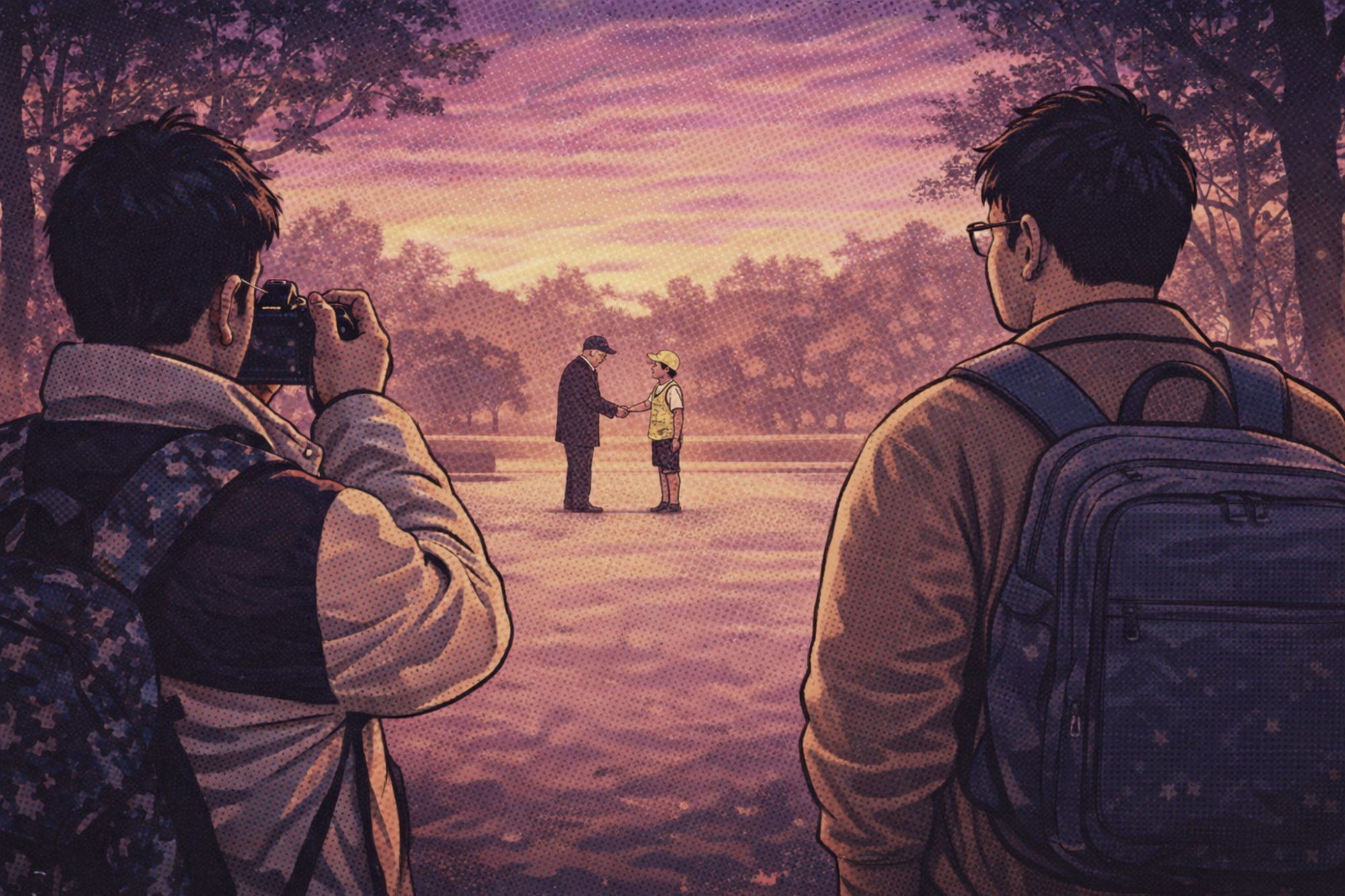
Where Kunihiko Iida carries the weight of memory, Shun carries the lightness of hope. The old and the young, meeting at the same place, telling the same story, so it is never forgotten.
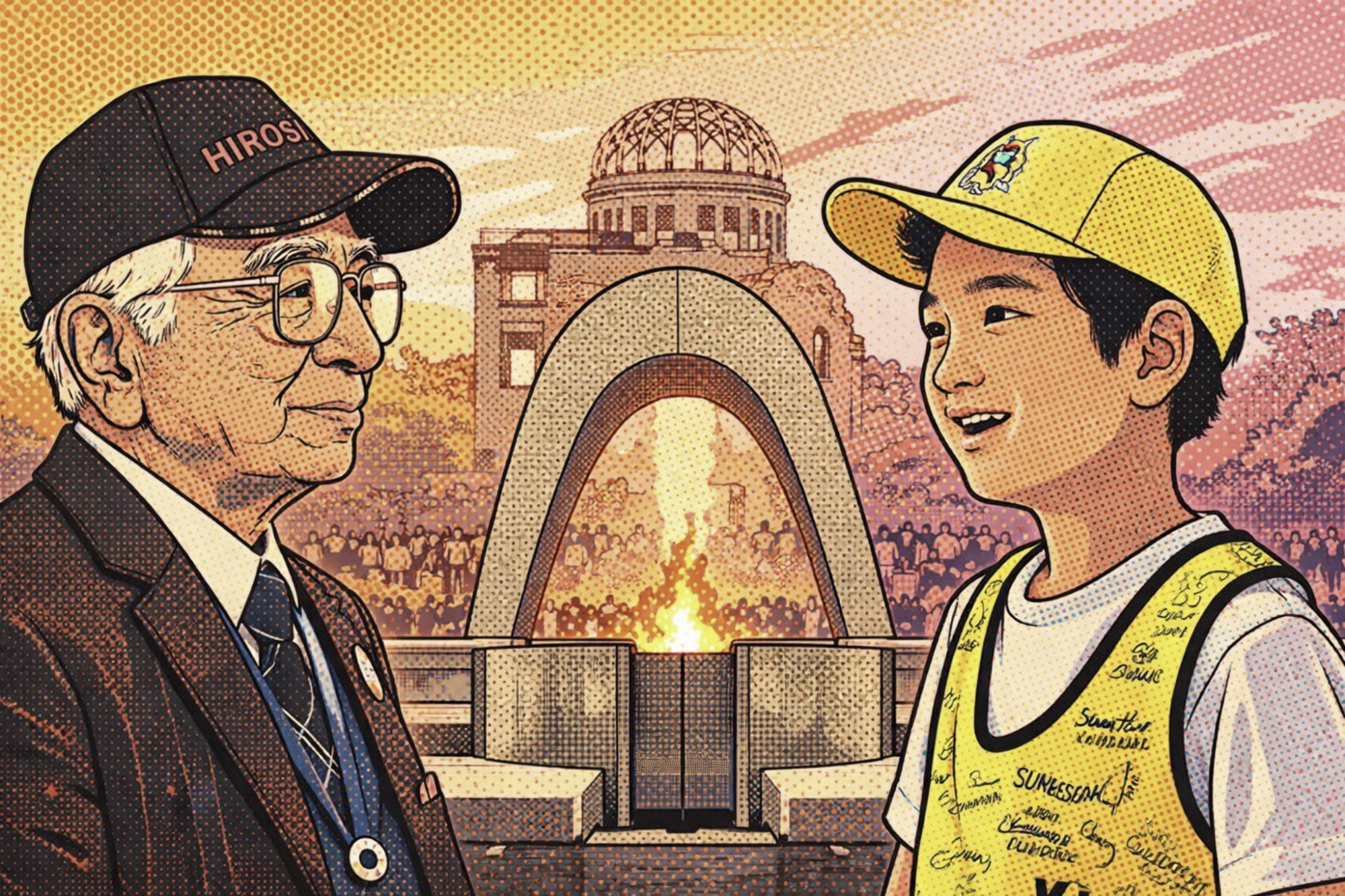
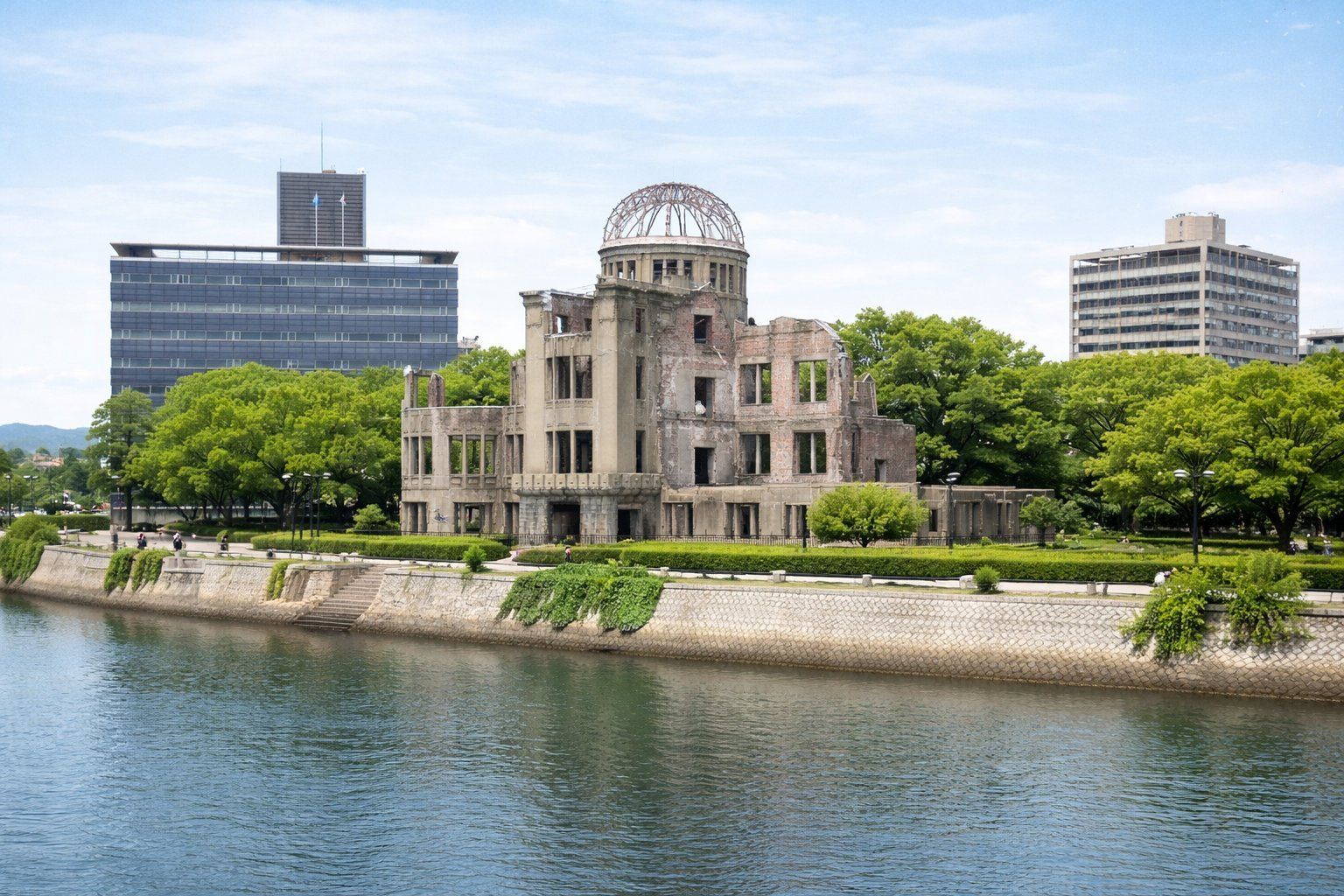
Hiroshima Peace Memorial Park
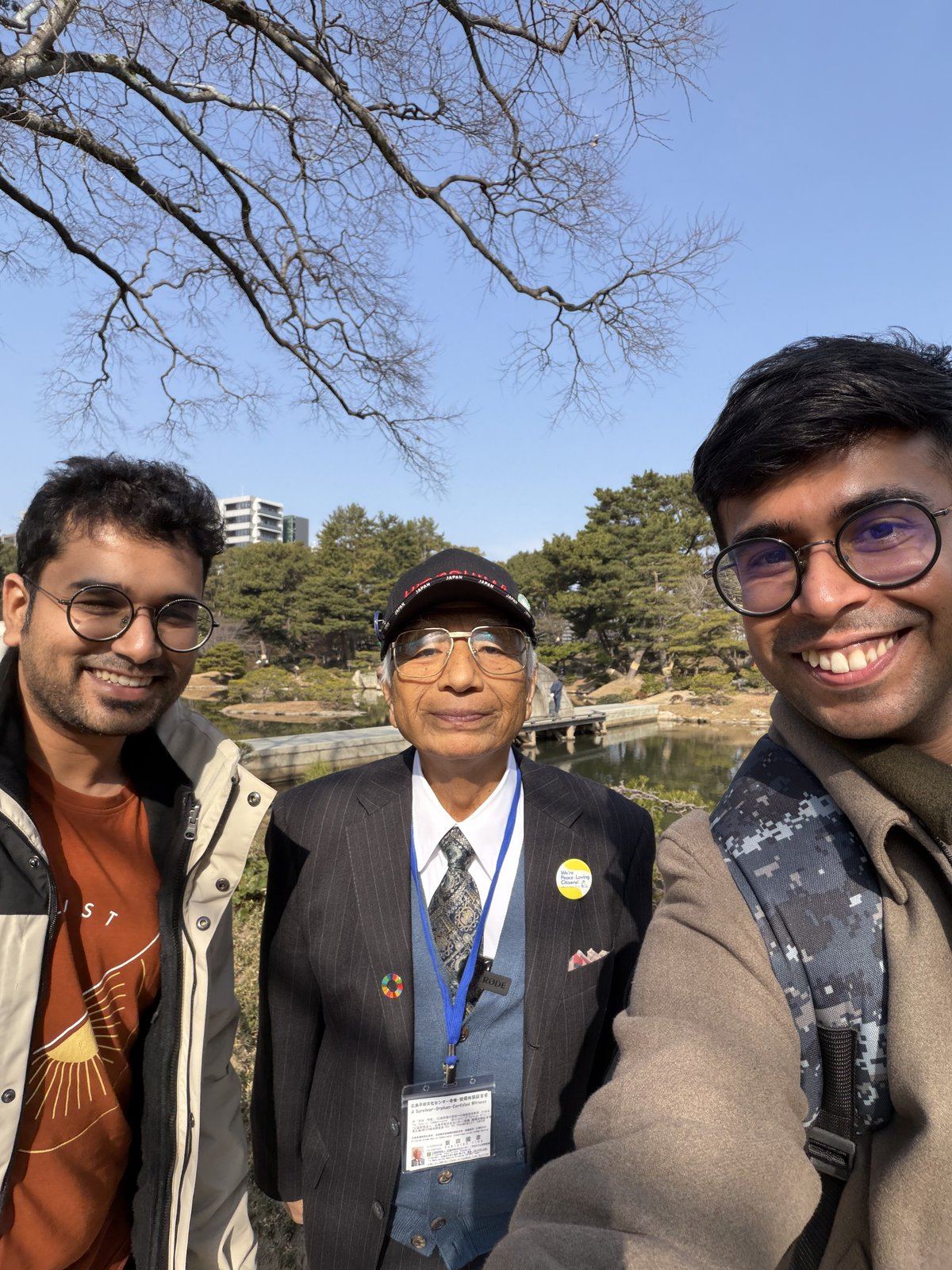
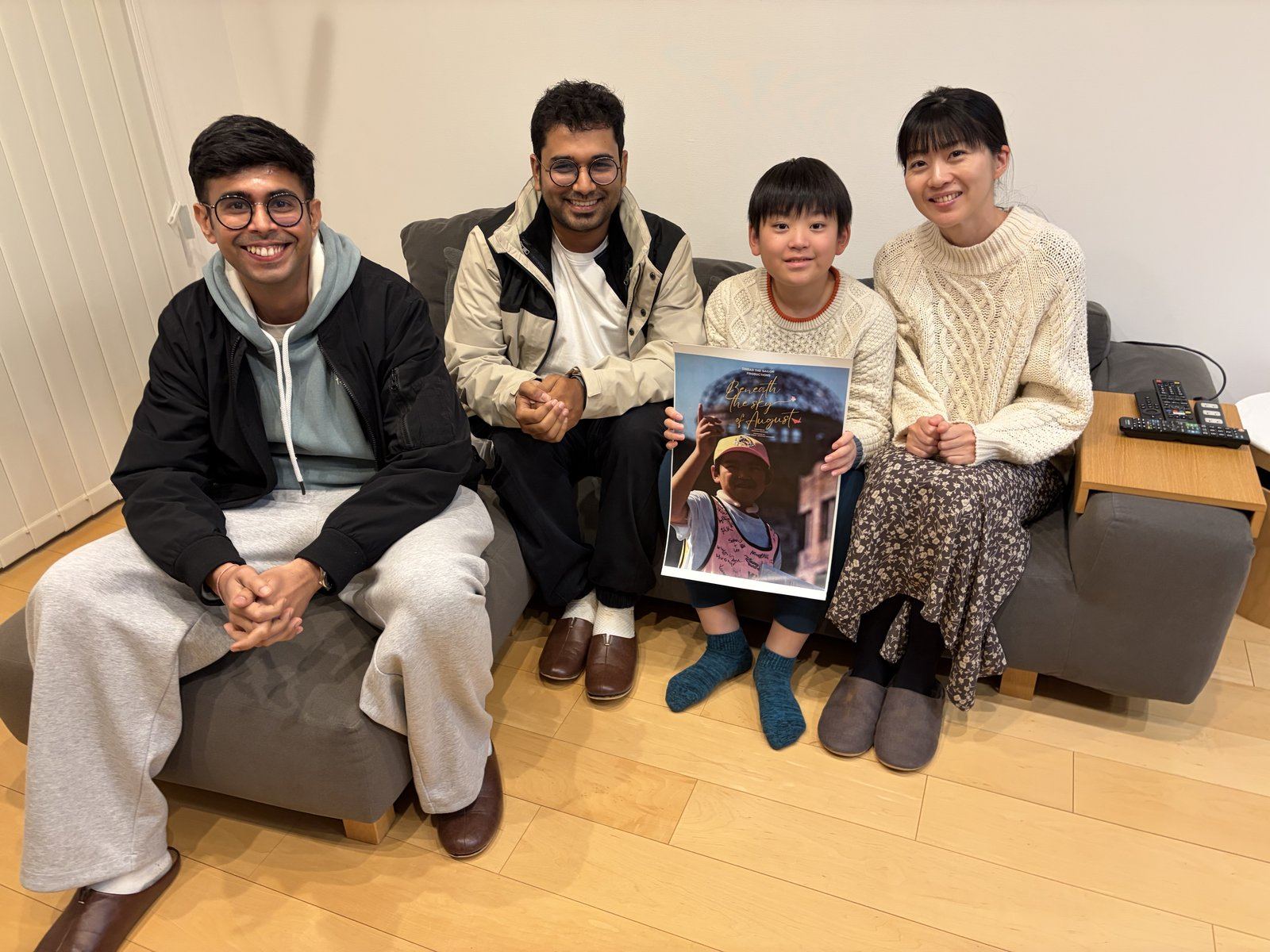
About the Documentarians
Director / Producer
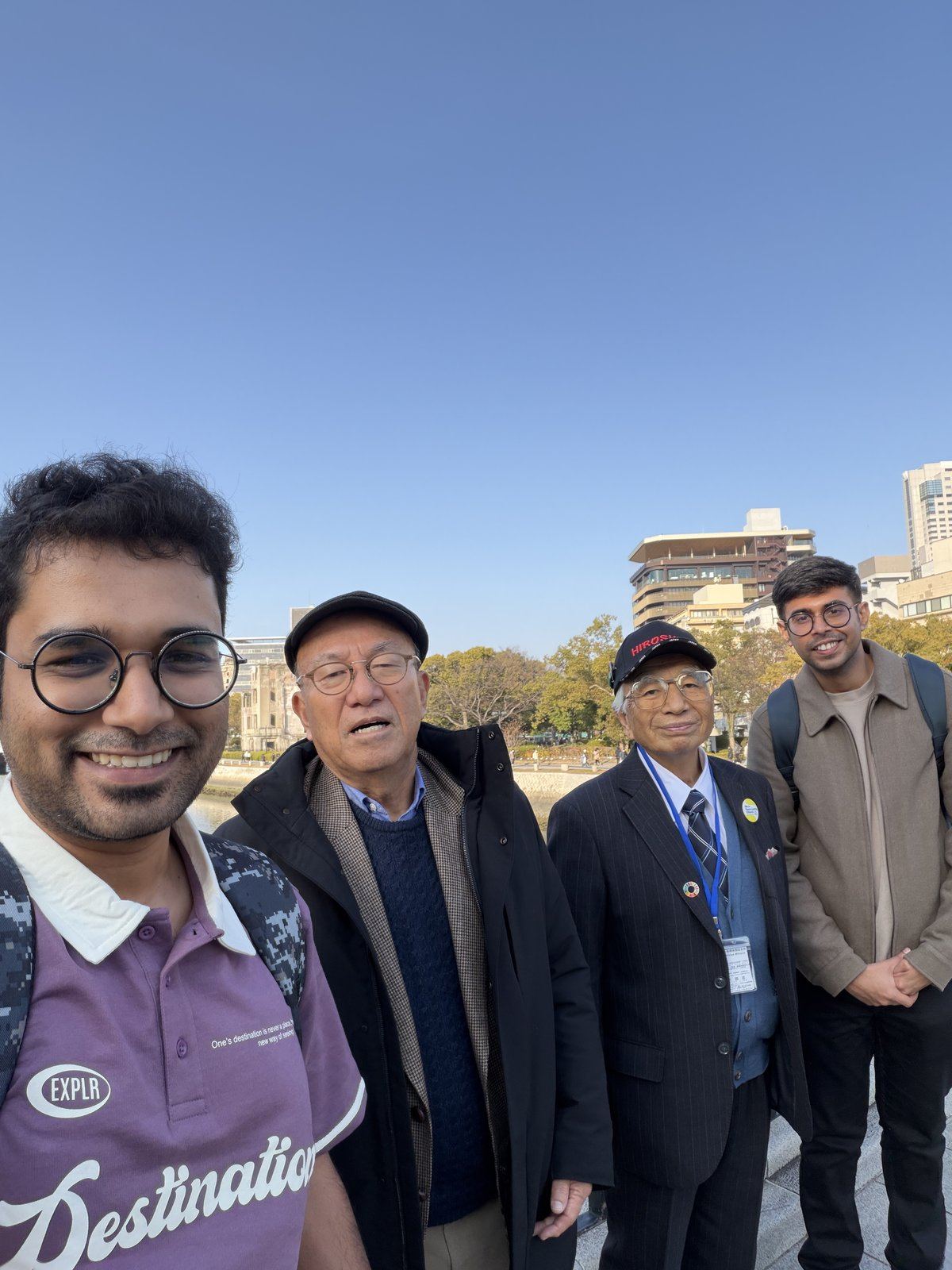
Kashyap Kulkarni is a filmmaker and editor focused on documentary storytelling. His work explores human experience, memory, and resilience across cultures.
Producer
Akash Yadav is a researcher and producer working at the intersection of history, disaster, and human resilience. His work focuses on preserving memory and stories that shape our collective future.
Support Our Film
The world once again feels closer to war. Most of us have never experienced its uncertainty firsthand, yet we witness its violence daily through our screens. Before history repeats itself, we must remember what war truly costs.
This film is our attempt to keep that memory alive. Support us in imagining a future free from war and destruction.
Secure payments powered by Stripe, PayPal, and Razorpay. Every contribution brings this story closer to the screen.
Resources
Featured Video
Watch our sizzle reel capturing the essence of the documentary, the people of Hiroshima, and the memory that must endure.
Contact us to request access to the sample cut.
Download
Download our one-page overview with project details, team information, production status, and partnership opportunities.
Get in Touch
Sinbad the Sailor Productions LLP
Kukatpally, Hyderabad, India
sinbadthesailorproductions@gmail.com
For inquiries about screenings, partnerships, promotions, media requests, or any other questions about the project, reach out to us anytime.
